
Lethal Autonomous Weapons Systems: The Future of Defense Technology

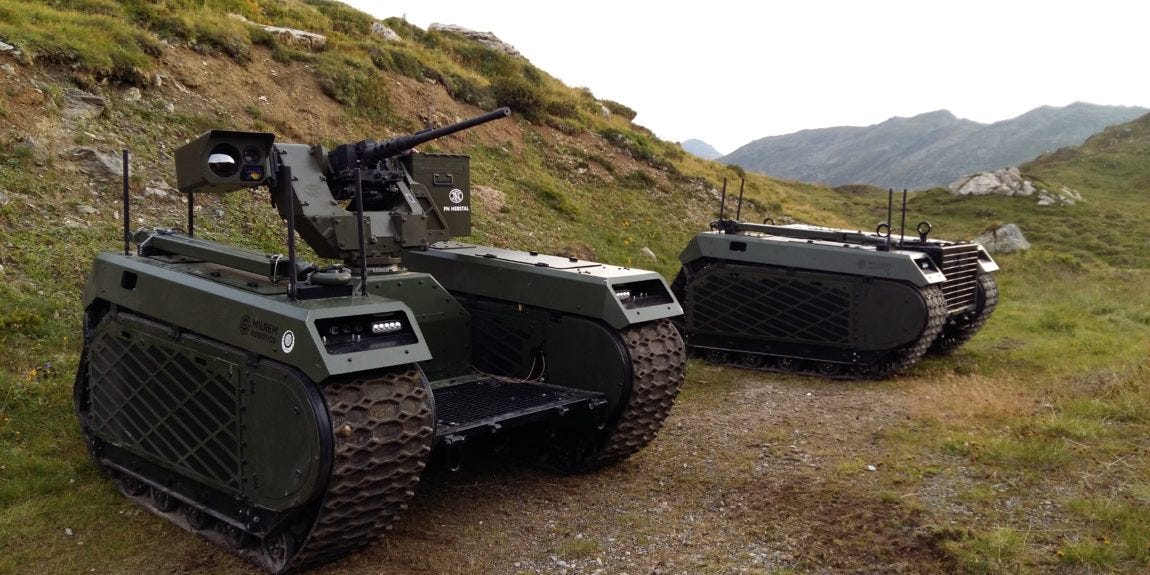
Autonomous Weapons Systems
Lethal autonomous weapons systems (LAWS) have emerged as a significant development in defense technology. These autonomous systems have the capability to independently identify and engage targets based on programmed algorithms and sensor data. As the field of technology warfare continues to advance, the use of autonomous weapons raises important ethical, legal, and security concerns. In this article, we will explore the specifics of lethal autonomous weapons systems, delve into the current U.S. policy surrounding these technologies, and examine the development of such systems by other countries around the world.
The Rise of Lethal Autonomous Weapons Systems
Definition and Functionality
Lethal autonomous weapons systems, also known as killer robots, are weapons that can operate without human intervention. These systems utilize sensor suites and computer algorithms to independently select and engage targets. The human operator activates the weapon, but the specific target and the timing of the strike are determined by the autonomous capabilities of the system. Algorithms analyze sensor data to identify objects or movements that match predefined target profiles, triggering the weapon to engage.
Evolution of Autonomous Weapons
The development of autonomous weapons has a long history, with various degrees of autonomy being utilized over time. The earliest forms of autonomous weapons can be traced back to rudimentary landmines, which operate independently once activated by trigger mechanisms. Over the years, advancements in technology have led to the creation of more sophisticated autonomous systems, including missile defense systems, loitering munitions, and land and sea vehicles with autonomous capabilities.
U.S. Policy on Lethal Autonomous Weapons Systems
Current Policy Landscape
The United States has not implemented a prohibition on the development or use of lethal autonomous weapons systems. While the country does not currently possess these systems in its inventory, there is recognition among senior military and defense leaders that the U.S. may need to develop such systems in the future to keep pace with global competitors. However, the lack of binding legal rules specific to autonomous weapons systems raises concerns about their unregulated proliferation and potential risks.
Department of Defense Directive
The U.S. Department of Defense has issued Directive 3000-09 on Autonomy in Weapons Systems to address the use of autonomous technologies. This directive defines autonomous weapons as systems that can select and engage targets without further intervention by a human operator. It emphasizes the importance of human judgment and control over the use of force in autonomous systems. However, the directive does not extend beyond the Department of Defense and does not cover the use of autonomous weapons in law enforcement or other non-military contexts.
International Engagement
The United States has participated in international discussions on lethal autonomous weapons systems under the framework of the United Nations' Convention on Certain Conventional Weapons (CCW). While there have been efforts to develop a normative and operational framework for states to consider, no binding agreements or regulations have been established to date. The U.S. has proposed voluntary commitments and a political declaration to guide the responsible use of autonomous weapons systems, while other countries and organizations advocate for a new treaty with prohibitions and restrictions.
Global Development of Lethal Autonomous Weapons Systems
International Landscape
Countries around the world, including Australia, China, India, Iran, Israel, Russia, South Korea, Turkey, and the United Kingdom, are investing heavily in the development of autonomous weapons systems. These nations are exploring the military applications of artificial intelligence and related technologies to enhance their defense capabilities. While some autonomous weapons have been developed and used in limited contexts, there is a growing interest in integrating autonomous capabilities into a wider range of weapons, platforms, and munitions.
Ethical and Humanitarian Concerns
The use of lethal autonomous weapons systems raises significant ethical, legal, and humanitarian concerns. The lack of human judgment in the decision-making process undermines the value of human life and poses risks to both combatants and non-combatants. Autonomous weapons can accelerate the use of force beyond human control, potentially leading to unintended conflict escalation and humanitarian crises. The unpredictable behavior of these systems and the difficulty in ascribing legal responsibility for their actions further complicate the ethical landscape.
International Efforts and Recommendations
The International Committee of the Red Cross (ICRC) has called for the adoption of new legally binding rules to regulate lethal autonomous weapons systems. The ICRC recommends prohibiting autonomous weapons designed or used to target humans, as well as those with a high degree of unpredictable behavior. It also advocates for regulations that ensure meaningful human control over other types of autonomous weapons systems. The aim is to strike a balance between leveraging technological advancements and upholding humanitarian principles.
Conclusion: Balancing Technological Advancements and Humanitarian Concerns
Lethal autonomous weapons systems represent a significant advancement in defense technology. While these systems offer potential military advantages, they also raise complex ethical, legal, and security challenges. The current U.S. policy landscape lacks comprehensive regulations specific to autonomous weapons, highlighting the need for international cooperation and the development of binding rules. As governments and organizations grapple with the implications of autonomous weapons, striking a balance between technological advancements and humanitarian concerns will be crucial to ensure the responsible and ethical use of these technologies in the future.